Custom Web Design for Organizations That Can’t Afford Mistakes

We design and build websites that hold up in the real world: clear messaging, scalable content systems, and engineering that doesn’t collapse the moment your site grows or stakeholders multiply.
412
+

Websites Designed and Launched

$3
bn+

Revenue Generated by Clients

15
+

Years Building Platforms That Scale

Websites That Have to Work

For organizations where the website is a core business asset, we bring strategy, design, content structure, and engineering together to create something that works for users and the teams behind it.


A Custom Website Is a System, Not a Set of Pages

A website your organization relies on for years needs more than a strong look. It needs clear page purposes, real content, and a structure your team can keep building on.

What we put in place:

  • A clear job for every page: Each page serves one visitor need and leads to a next step.
  • Content-first design: Layouts are built around your real content, not placeholder text.
  • A reusable design system: Templates and components let your team add pages without a developer.

The result is a site that looks considered on launch day and keeps its shape as new pages, people, and priorities arrive.

Senior designers and strategists lead every project from the first conversation. We settle the decisions that usually derail projects early, including who approves what, which content exists, and what each page has to accomplish, so design time goes into making the site distinctive.

Three professionals walking through an office, representing Career Group Companies

The Five Layers Behind Every Website We Build.

We move from message and structure to experience and implementation, making sure each layer is resolved before it becomes someone else's problem.

01

Message architecture

Strategy
Before wireframes, we clarify what each page has to accomplish and in what order. Message hierarchy sets the entire structure: every design decision downstream is answering it. Without this layer, the site becomes a container for content instead of a system for conveying it.
02

Information architecture

Structure
We define navigation, content types, and page relationships before templates get designed. The goal is a site your team can extend without asking "where does this go?", because the answer is already documented.
03

UX & conversion flow

Experience
We map the journeys that actually matter (lead capture, application, evaluation, membership) and design the flow to reduce hesitation. Layout follows behavior, not aesthetic preference.
04

Design system & build

Engineering
Visual design is applied to the structure, not the other way around. Components, spacing, and templates are built as a system so consistency holds as the site grows and new pages get added.
05

Publishing autonomy

Ownership
The last layer is the one most projects skip: the admin experience, the documentation, and the training that lets your team run the site without a developer in the loop for routine changes. A build isn't done until you can operate it.

A Small Sample of Projects

What We Protect on Every Build

A website can look great and still fail its users, your team, or the business behind it. We protect the things that tend to get lost during a build: clarity in the message, structure behind the content, and performance that holds up over time.

01

Every page serves one visitor intent

A page with two jobs does neither. We decide what a visitor is there to do before layout begins, and everything else comes off. It's Chapter 3 of our founder's book, The Anatomy of the Perfect Website.

02

Your team should own the site

We structure content, templates, and publishing workflows so routine changes don't require a developer. A site that only its agency can operate isn't finished.

03

Authored, not generated

Every decision on a Weberous site has an author who can tell you why it's there. We use AI to pressure-test the work, not to make the calls.

Best Fit When the Website Carries Real Weight.

You're not looking for someone to make a few pages look better. You're building a website your organization will rely on for years, with multiple audiences, stakeholders, content owners, and business goals to account for.

This is for you if

  • Your digital presence must match your real-world reputation: you work in a category where looking cheap or broken is a liability, not just a nuisance
  • You have a lean marketing team that needs to launch pages and update content independently, without waiting on code or breaking the design
  • You need a platform engineered for real-world speed, stability, and growth, not a fragile build that becomes harder to maintain with every release
  • Downtime and vulnerabilities aren't options for your organization: you need a build that satisfies IT requirements and protects data by design

Not for you if

  • You need a few pages refreshed, not a website your organization will rely on for years
  • You want a finished design built exactly as-is. Our best work starts when you hand us the problem, not the answer
  • There's no one on your side who can make content and approval calls. Projects stall without that person
  • Commerce is the core of the business. See Shopify Plus

We have strong opinions about what works. We'll tell you when your plan needs work, and we'll explain why.

GET IN TOUCH

What's Included in a Weberous Web Design Engagement

TaskUs team members in branded shirts working together at a laptop

This isn't "design + development." It's a structured build that aligns stakeholders, clarifies messaging, and produces a platform your team can run without friction.

UX & conversion flow

We define how people move through the site before we worry about how individual pages look. The goal is to make important information easy to find, decisions easier to make, and key journeys free of unnecessary friction.

What this typically includes:

  • Key user journeys mapped: what users need, what they fear, what they do next
  • Wireframes for critical templates (homepage, service, case study, landing)
  • Friction removal before visual design, so design isn’t solving structural problems

Visual design system

We create a visual system that gives the brand a distinct point of view while making the site easier to extend. Components, layouts, typography, and interaction patterns work together instead of becoming a collection of one-off pages.

Common work:

  • Design direction and component library thinking, so it stays consistent as the site grows
  • Scalable layout rules for future pages, not one-off “pretty pages”
  • Brand alignment without sacrificing readability or clarity

Development & build quality

Design only works when the underlying build is equally disciplined. We develop clean, maintainable sites with performance, accessibility, responsive behavior, and long-term stability built into the implementation.

The results:

  • Clean, maintainable code without unnecessary complexity
  • Performance-minded implementation with fast rendering and stable layouts
  • Responsive behavior across real devices and screen sizes
  • Accessibility and QA built into the process, not treated as a final check
  • A CMS and component system your team can maintain after launch

SEO foundations & launch safety

SEO shouldn’t be something added after the site is designed. We build the fundamentals into the architecture from the start, so pages are crawlable, content is structured clearly, and the launch doesn’t undo the value of what came before.

What you get:

  • Technical SEO hygiene and crawlability
  • Page structures that support search intent and clear content hierarchy
  • Semantic HTML and clean heading structure
  • Metadata and indexation foundations
  • Redirect planning and migration safety when applicable

Content Systems & CMS

A website is only as useful as the team that has to manage it. We design content models, templates, and publishing workflows that give internal teams control without sacrificing consistency.

What to expect:
  • Flexible content models built around real publishing needs
  • Reusable templates and components
  • Clear content ownership and publishing workflows
  • Editor-friendly CMS implementation
  • Documentation and training at handoff
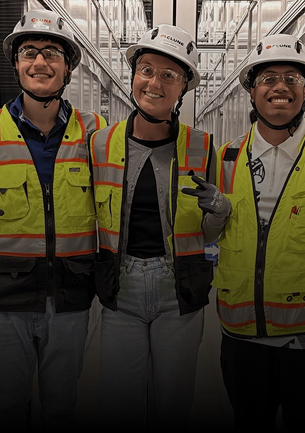
TaskUs team members in branded shirts working together at a laptop Child in a space suit for the XPRIZE kids platform Clune Construction workers in high-visibility safety vests

What Our Clients Say

Real quotes from teams we've built for.

Hunter Crowder

Owner, Stunt Players

Rafael and the Weberous team are incredible for a number of reasons. On a technical level, they are world class. But what is most impressive to me and what will always urge me to recommend them is their business ethic and character.

Jenn Tyler

CEO, Happy Swimmers

They rebuilt my website into a custom Wordpress that could serve clients nationwide. They go the extra mile for their clients, are truly kind-hearted caring people, and provide excellent service. If I could give their company 10 stars, I would.

Kyle J

Owner, New Newz

Words can't explain how amazing everyone is at Weberous. We started with a vision, and Rafael made it become reality but SO MUCH BETTER then what you had in mind! He knows how to engage and understand your requests and make sure that it can work.

Michael Simpson

VP Marketing, Digital Solutions

I cannot recommend them more highly. I have employed and partnered with many WP developers over the years and these guys have been truly exceptional.

Ryan Hawxhurst

CEO, TextMary

Great experience! Thanks again Rafael and the Weberous team, keep up the good work and I look forward to working with you in the future :)

John Krebs

President, Axis Purchasing

Excellent design, build and implementation services. And when the project is over they do not leave you hanging when additional support is needed. I highly recommend using Weberous for your next web project.

A Process Designed for Alignment and Fewer Surprises.

A good website project should feel deliberate, not chaotic. We align on goals and constraints early, resolve the important decisions before they become expensive, and keep strategy, design, content, and development moving together through launch. We use AI to pressure-test accessibility, contrast, and responsive edge cases, and every design decision has a human author.

01 Discovery & diagnosis

We align on goals, constraints, audience, and what's currently breaking (performance, messaging, conversions, content workflow).

Output: a clear problem definition and success criteria.

02 Blueprint

We define site architecture, key templates, and content structure. This is where stakeholder alignment happens, before design time gets expensive.

Output: an approved architecture and template plan.

03 UX & design system

We map flows, layout logic, and build a consistent visual system, so the site can grow without losing cohesion.

Output: wireframes, design direction, and component rules.

04 Development, QA & Launch

We build and test the platform, verify performance and accessibility, and launch through a controlled process.

Output: a tested, launched website and a documented handoff.

Typical timelines

Redesigns: 8–12 weeks · New builds: 10–14 weeks · Migrations: 10–14 weeks

When the Website Has to Deliver

One featured project showing how we approached a real-world web challenge, from strategy and structure through design, development, and launch.

The Elizabeth Taylor AIDS Foundation carries one of the most recognizable names of the last century and a mission that is still urgent today. The site had to honor that legacy without becoming a museum piece, and a small team had to be able to run it every day without calling a developer.


What we did:

  • Designed a custom site built around both the archive and the foundation's current work
  • Built it on custom WordPress so the team publishes independently
  • Structured donation and campaign flows around the foundation's fundraising calendar
  • Navigated the brand sensitivity that comes with a legacy estate, through every review round
Elizabeth Taylor AIDS Foundation website shown on mobile
100%
Custom Coded
1991
A Legacy To Honor
0
Devs Needed To Update Content
Designer working on a laptop in a studio

Los Angeles Roots. Global Reach.

Designer working on a laptop in a studio

We’re based in Los Angeles, but most web projects today don’t live in one room. Our process is built for real-world collaboration: multiple stakeholders, tight review cycles, and clear decision-making, whether your team is local, national, or global.

When it genuinely helps alignment, we can also support in-person working sessions in LA (or nationwide, on-site) for key milestones.

Frequently Asked Questions

What's a typical timeline for a web design project?

Most projects run 8–12 weeks, depending on scope, approvals, integrations, and content readiness. We confirm timeline after discovery and blueprint, when requirements are clear and stakeholders are aligned.

What platforms do you build on?

It depends on your requirements. WordPress is often a strong fit for complex content and workflows. When commerce is central, we recommend purpose-built commerce platforms. When neither fits cleanly, we design hybrid or custom solutions.

Do you use templates or themes?

No. We build a system of templates and components designed around your content and workflows. The goal is consistency and maintainability, not a one-off design that breaks as soon as you add new pages.

Do you create a design system or just page designs?

We create a reusable system (type, spacing, components, and template rules) so new pages can be produced without reinventing the wheel or drifting off-brand.

Will the site be fast and SEO-friendly?

Yes, because both are built into the architecture. We build templates for clarity and crawlability, and implement with performance discipline so the experience stays fast on real devices.

Do you use AI to design websites?

We use every tool that makes the work better, AI included. It helps us explore variations, pressure-test accessibility and contrast, and catch edge cases across screen sizes. What it doesn’t do is make the decisions. Every choice on a Weberous site has a designer who made it and can explain why.

What should we ask any web design agency?

Ask who makes the design decisions, and whether that person will be on your project. Here, senior designers and strategists do the work, and Rafael is involved in direction on every engagement.

How do you handle multiple stakeholders and approvals?

We prevent rework by aligning early: structured discovery, a blueprint phase, and template-level sign-off before full design production. Decisions are documented so feedback stays directional instead of looping.

Can you work with an internal dev team?

Yes. If you have in-house engineering, we can lead strategy, UX, and design systems, and collaborate on implementation standards, components, and QA so execution stays consistent.

Ready to Build a Website That Scales With You?

If your current site is hard to maintain, unclear to users, or fragile under growth, we can help. The first step is diagnosis: understanding what’s actually limiting performance (message, structure, or build quality), so the solution is both targeted and durable.